

New Zealand Travel Guide
Everything you need to plan your perfect Aotearoa adventure
A Place Where We Call Home
New Zealand is one of the world's most extraordinary travel destinations — two spectacular islands, dramatic landscapes, rich Māori culture, and a warmth of welcome you'll feel from the moment you arrive.
Whether you want to cruise Fiordland's mirror-still fjords, walk ancient kauri forests, explore geothermal wonders, or raise a glass of Marlborough Sauvignon Blanc as the Southern Alps glow at sunset — this guide covers everything you need to start planning your perfect New Zealand adventure.
Use this guide to understand when to visit, what to see, how to get around, and how to make the most of every day on both islands. And when you're ready, our team is here to build your perfect itinerary from scratch.
Scroll down or download the guide:
When to Visit · Essential Info · North Island · South Island · Rail & Ferry · Planning Tips · FAQ
When to Visit New Zealand
New Zealand's seasons are the reverse of the Northern Hemisphere — summer runs December to February, winter from June to August. Both islands have distinct climates: the North Island is warm and subtropical, while the South Island is cooler, more dramatic, and home to the best alpine scenery. The weather is famously changeable, so layers are essential year-round.
Weather and Seasons
☀️ SUMMER (December – February)
Average 18–28°C. Peak season — long sunny days, warm beaches, festivals and outdoor events. New Zealand at its liveliest. Book well in advance, especially for popular coach tours, rail journeys and Milford Sound cruises.
❄️ WINTER (June – August)
Average 5–15°C. Snow on the Southern Alps and world-class ski fields. Mild in coastal areas and the North Island. Fewer tourists and lower prices — the South Island in winter is genuinely magical.
🍂 AUTUMN (March – May)
Average 12–22°C. Our favourite season for travel. Stunning golden foliage in the South Island, fewer crowds, excellent weather and great value. Widely considered the sweet spot for New Zealand travel.
🌿 SPRING (September – November)
Average 12–20°C. Nature blooms, lambs in the fields, and the landscape turns spectacularly green. Shoulder-season pricing with increasingly good weather as the season builds.
Best overall time to visit: Late February through April — warm temperatures, golden foliage, lower crowds. Ask us when is best for your travel style.
Essential Travel Information
Currency & Payment
New Zealand uses the New Zealand Dollar (NZD). Major credit cards are accepted almost everywhere and contactless payment is widely available. ATMs are plentiful in cities and towns.
Tipping is not customary — good service is simply expected. Tap water is safe to drink throughout the country.
Time Zone
New Zealand Standard Time (NZST) is UTC+12 — one of the first countries in the world to start each new day. Daylight saving runs October to April (NZDT, UTC+13).
From the UK: 12–13 hours ahead. From the US East Coast: 17–18 hours ahead. From Australia's east coast: 2–3 hours ahead.
Climate & What to Pack
Always pack a waterproof jacket and warm layers regardless of season. Even in summer, mountain areas and the West Coast can be cool and wet.
Auckland averages 23°C in summer, 14°C in winter. Queenstown can see snow on surrounding peaks from June. The West Coast receives heavy rainfall year-round.
Electrical Supply
New Zealand uses 230V / 50Hz electricity with Type I plugs (flat two- or three-pin angled — the same as Australia). Visitors from the UK, Europe or North America will need a plug adapter.
Most modern phones, laptops and camera chargers are dual-voltage (100–240V) and need only an adapter, not a converter.
Island Highlights Overview

South Island Highlights
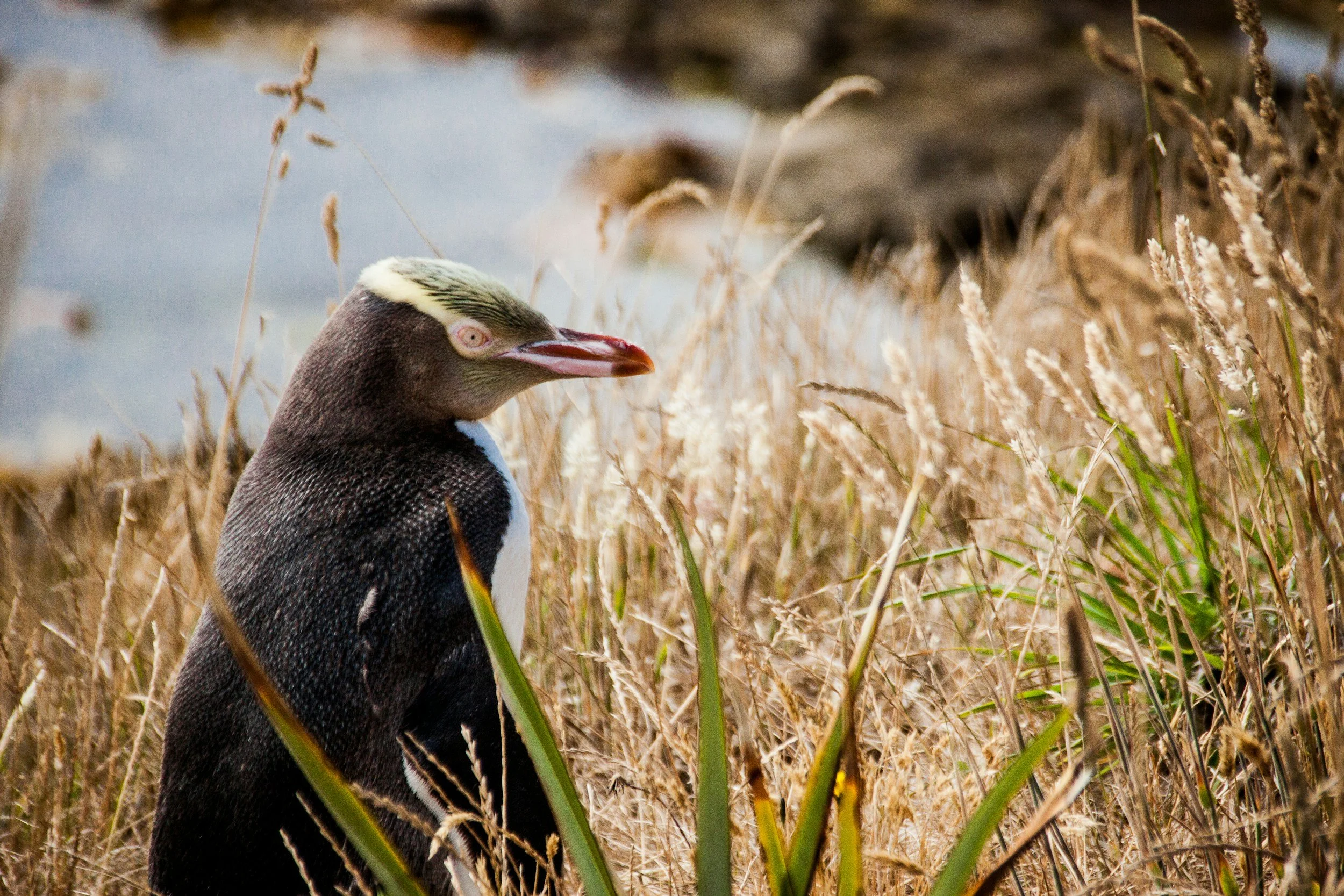
Dramatic fjords, alpine peaks, glacier valleys and wide open wilderness — the South Island is where New Zealand's most breathtaking scenery unfolds. These are places that stay with you for a lifetime.
Fiordland & Milford Sound — One of the most spectacular places on earth. Towering fjord walls, cascading waterfalls, dolphins and mirror-still water. A highlight of any NZ itinerary.
Queenstown — The adventure capital of the world. Bungee jumping, jet boating, skiing, wine tasting, and breathtaking lake and mountain scenery — all in one remarkable place.
Aoraki / Mount Cook — New Zealand's highest peak, surrounded by glaciers and star-filled skies at one of the world's best Dark Sky Reserves. Truly awe-inspiring.
Marlborough Sounds & Wine Region — World-famous Sauvignon Blanc, stunning waterways, and the gateway for the spectacular Interislander ferry crossing from Wellington.
Kaikōura — Whale watching, swimming with dolphins, and the freshest crayfish on the coast, with the Seaward Kaikōura Ranges as a dramatic backdrop.
Christchurch — The Garden City, beautifully reimagined. Innovative street art, punting on the Avon River, and the gateway to the Southern Alps.
Oamaru — Steampunk Capital of the World. A wonderfully quirky Victorian precinct full of art, creativity and character that surprises every single visitor.
North Island Highlights
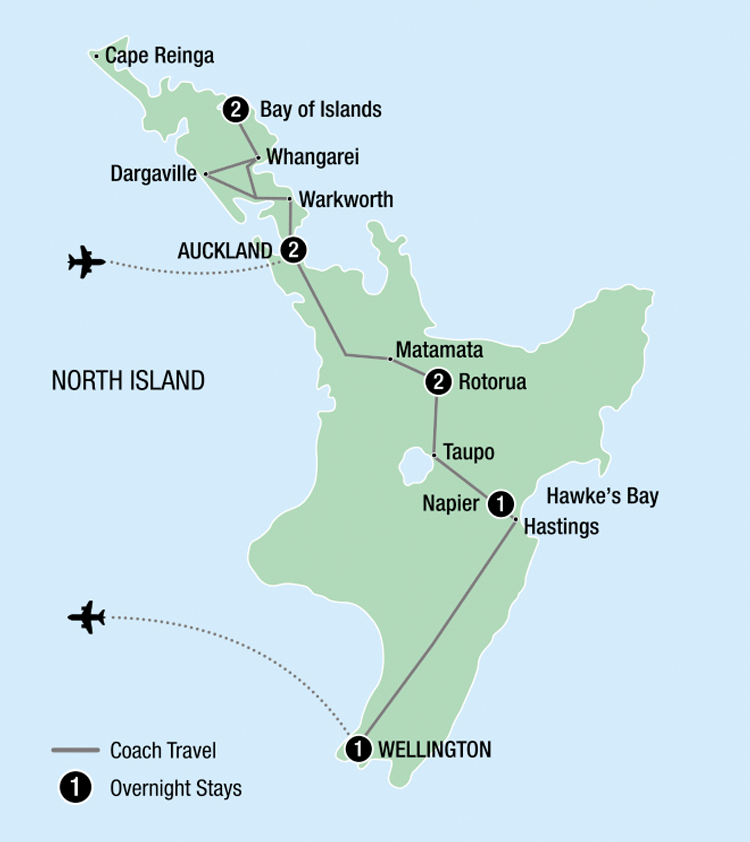
Geothermal wonders, Māori culture, stunning coastlines and vibrant cities — the North Island is warm, diverse and endlessly surprising. Here are the places you'll want on your itinerary.
Bay of Islands — Pristine beaches, the historic Waitangi Treaty Grounds, and world-class sailing in one of New Zealand's most beautiful coastal regions.
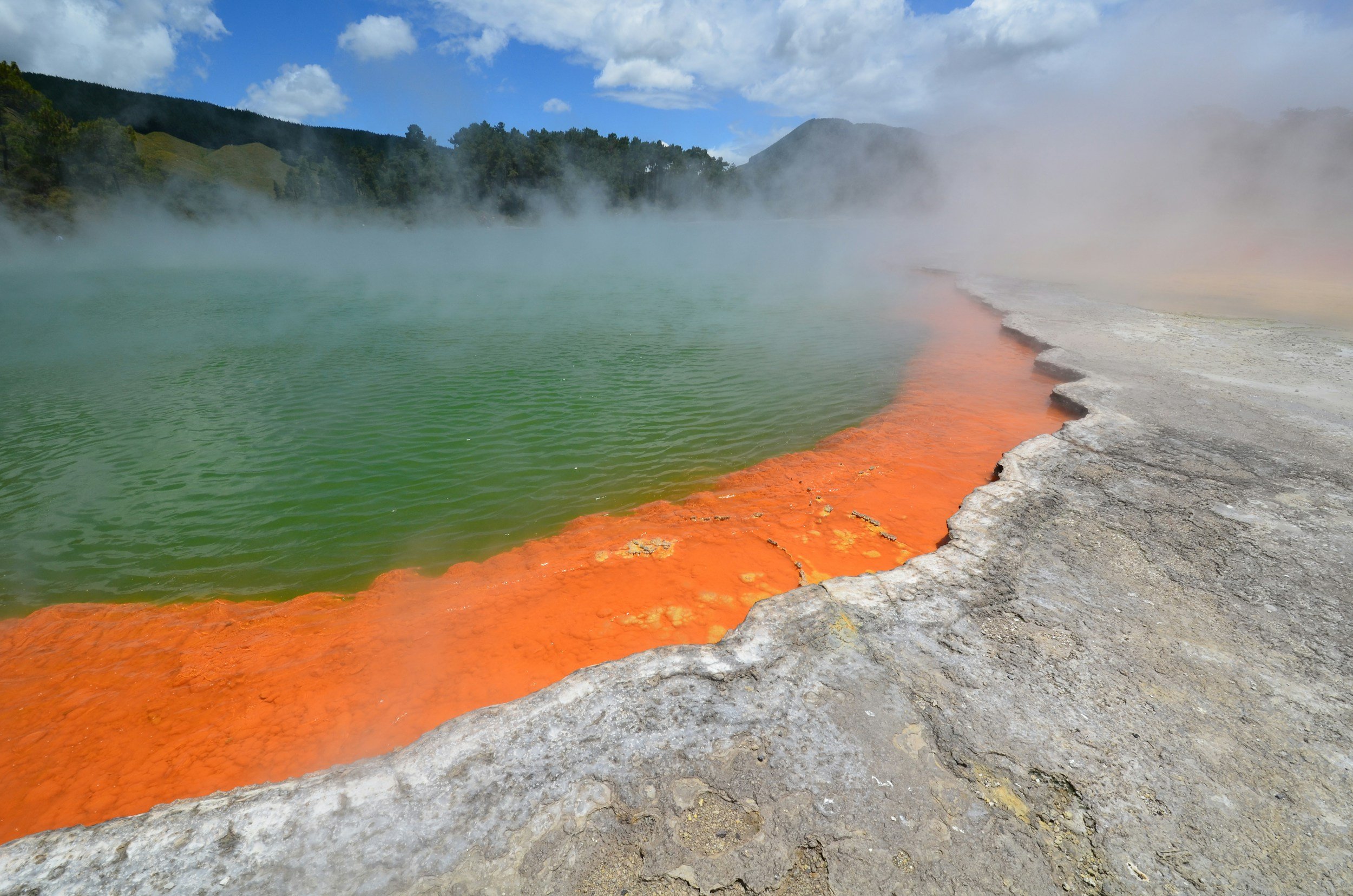
Rotorua — The heart of Māori culture and geothermal activity. Bubbling mud pools, erupting geysers, the Te Puia cultural centre, and unforgettable hāngī feasts.
Tongariro National Park — Home to the world-famous Tongariro Alpine Crossing: 18km of volcanic drama, emerald crater lakes and lunar landscapes. UNESCO World Heritage listed.
Wellington — New Zealand's vibrant capital. World-class Te Papa Museum, the Weta Workshop, a thriving café culture, and the gateway to the South Island.
Coromandel Peninsula — Golden beaches, the iconic Cathedral Cove, and the famous Hot Water Beach where you dig your own natural hot pool in the sand.
Hawke's Bay & Napier — New Zealand's Art Deco capital surrounded by world-renowned vineyards. Wine tours, fine dining, and a stunning Pacific coastline.


Scenic Rail Journeys & Inter-Island Ferry
New Zealand's rail and ferry journeys are experiences in their own right — not just ways to get from A to B. We seamlessly incorporate all three into our coach tour and semi-guided packages.
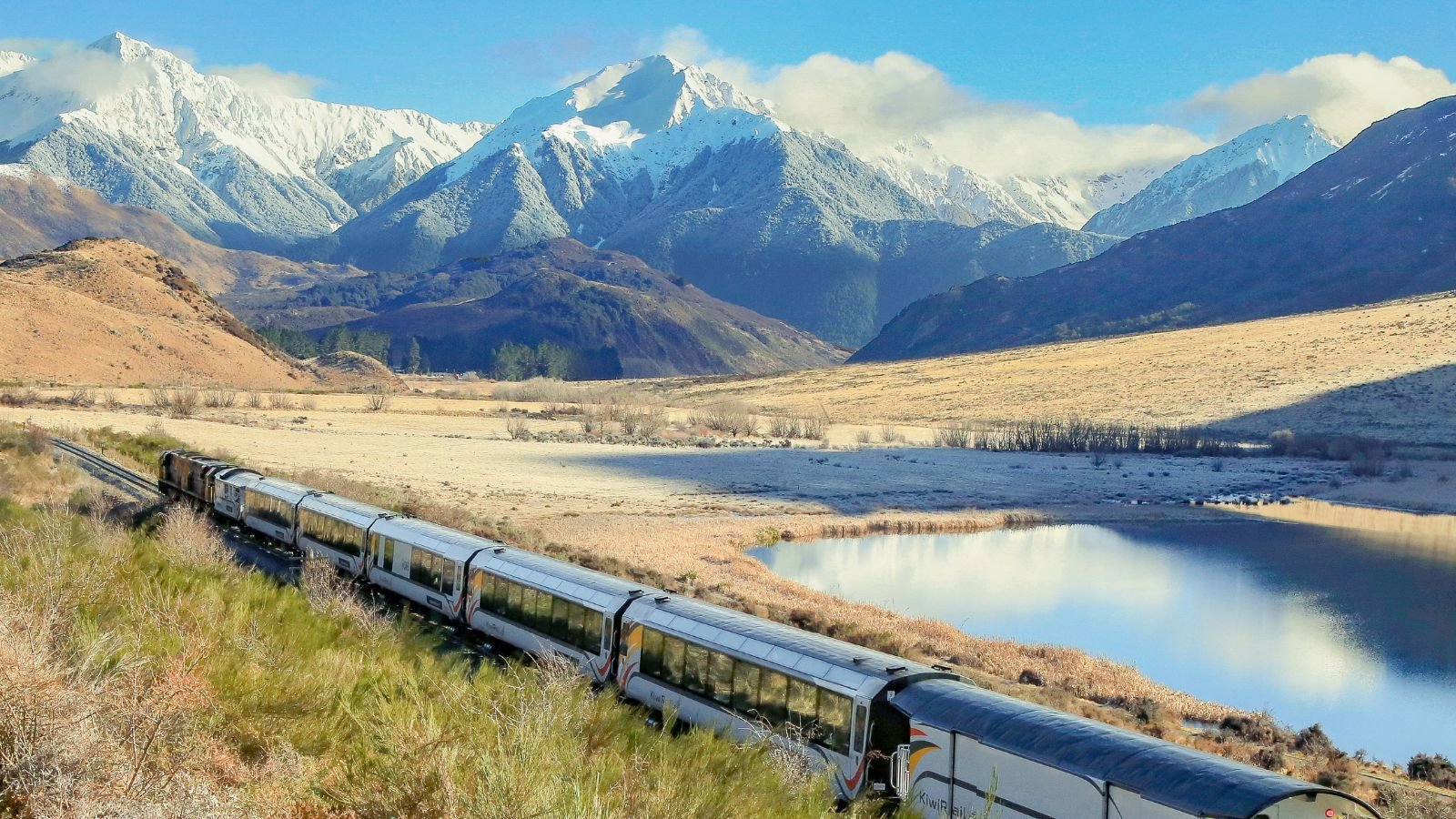
TranzAlpine
Christchurch to Greymouth
Widely regarded as one of the world's great train journeys. The TranzAlpine crosses the Southern Alps through dramatic gorges, viaducts and the famous Otira Tunnel — from the Canterbury Plains to the wild West Coast. A spectacular four-hour rail experience that no visitor should miss.
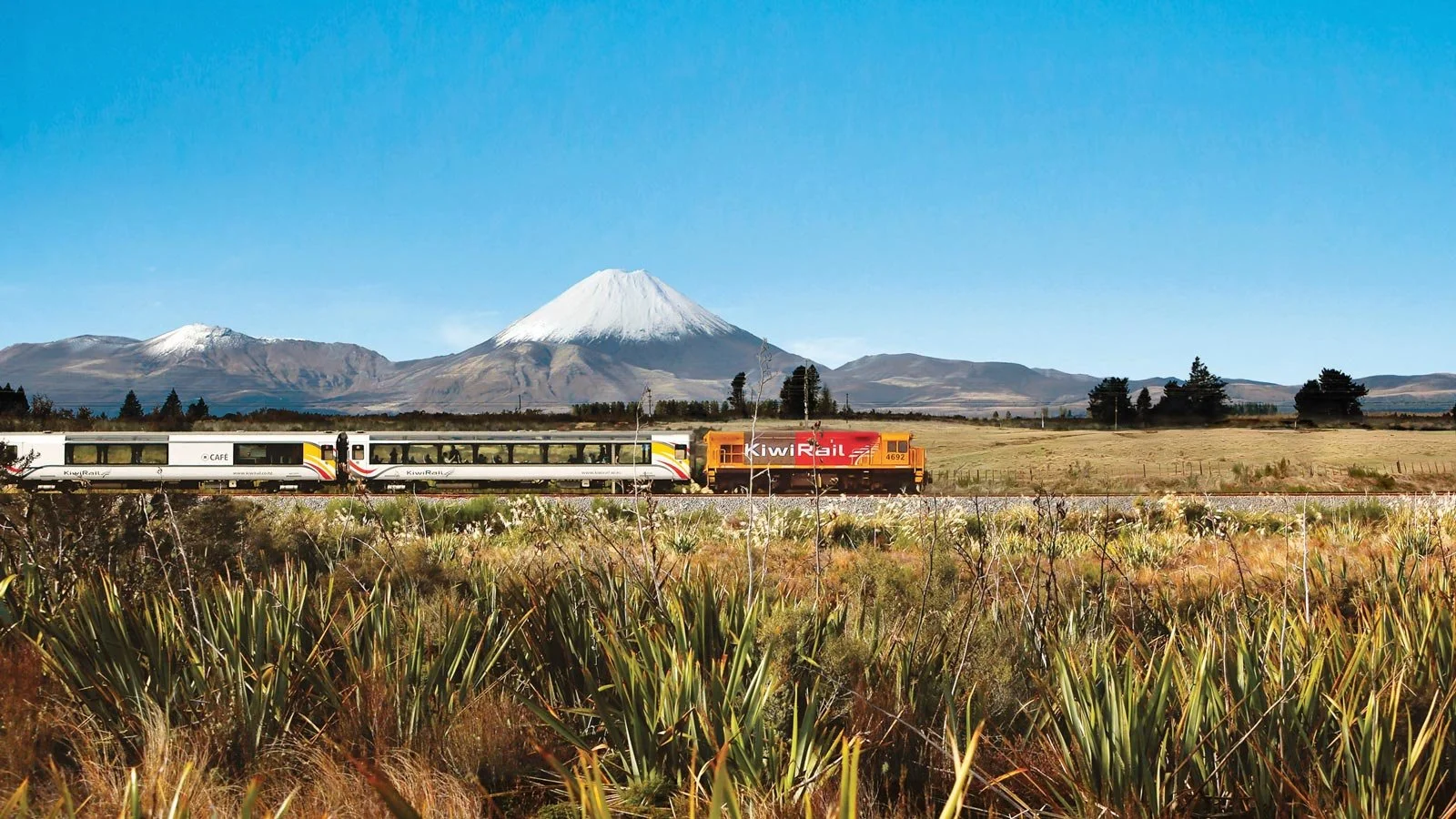
Northern Explorer
Auckland to Wellington
Travel the length of the North Island in style. The Northern Explorer passes through the volcanic central plateau, Tongariro National Park and the Rangitikei River gorge. Runs on selected days — a wonderful way to see landscapes that road travellers miss entirely.
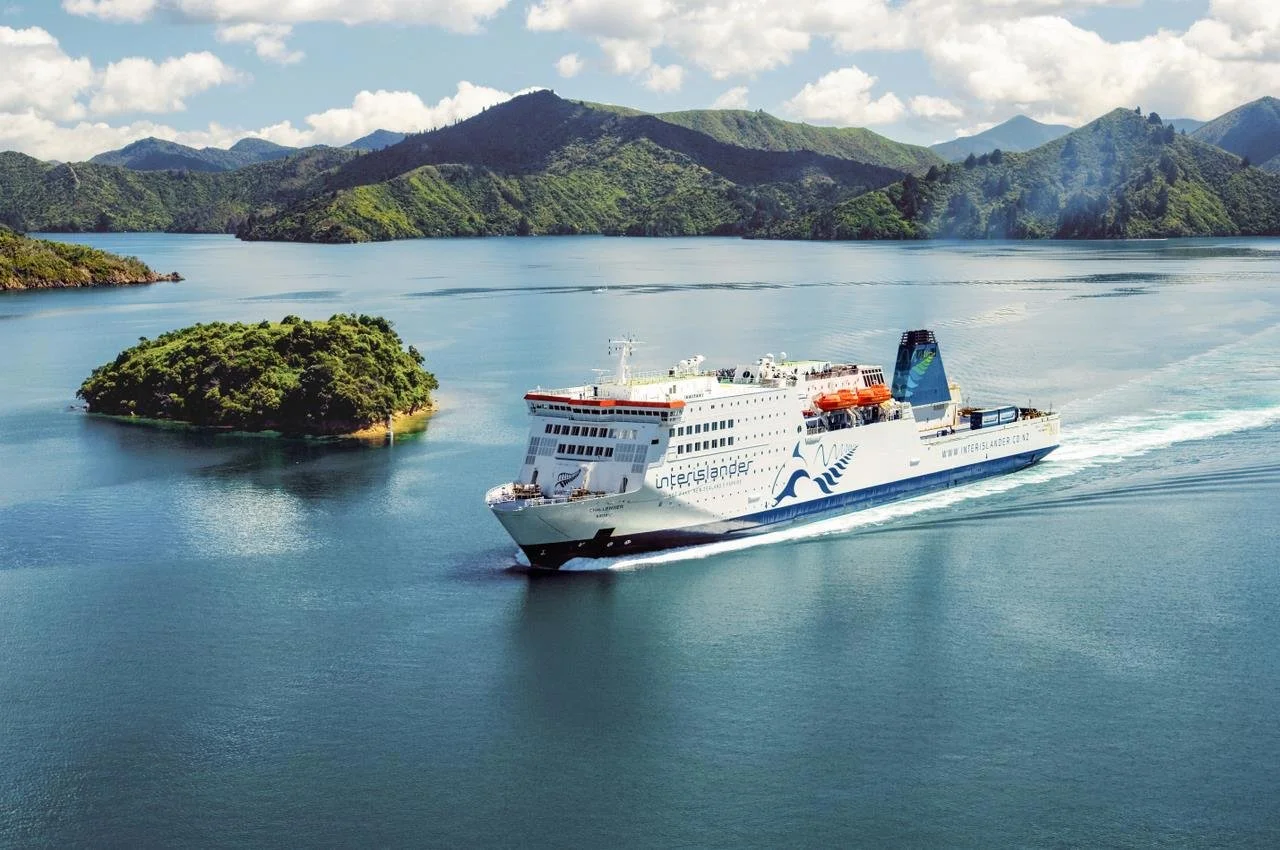
Interislander Ferry
Wellington to Picton
The iconic crossing of Cook Strait between the North and South Islands. Far more than a ferry ride — the route through the Marlborough Sounds weaves between forested hills and sheltered waterways. The 3.5-hour crossing is a highlight in its own right, and we include it in all multi-island itineraries.
Top 6 Tips for Planning Your New Zealand Trip
1. Book Early — Especially for Peak Season
New Zealand's peak travel season runs December to February. Popular coach tours, rail journeys and campervans book out many months in advance. We strongly recommend enquiring as early as possible — ideally six to twelve months ahead for peak season travel.
3. North Island, South Island — or Both?
Both islands are remarkable but very different in character. The North Island offers Māori culture, geothermal wonders and a warmer climate. The South Island is known for dramatic alpine scenery, fjords and adventure. Many of our travellers combine both, connected by the scenic Interislander ferry.
5. Respect the Environment — The Tiaki Promise
New Zealand's natural environment is precious. Travellers are encouraged to follow the Tiaki Promise: tread lightly, leave no trace, stay on marked tracks, and respect the land, sea and culture of Aotearoa. Manaaki whenua, manaaki tangata — care for the land, care for the people.
2. Allow at Least 14 to 21 Days
New Zealand is geographically larger than many visitors expect. To see both islands without feeling rushed, allow a minimum of two weeks. Three weeks allows a far more relaxed journey, with time to explore hidden gems beyond the main tourist trail.
4. Pack for All Seasons
New Zealand's weather is famously changeable. Layers are essential — a waterproof jacket, warm mid-layer and comfortable walking shoes are non-negotiable regardless of when you travel. Even in January, mountain areas and the West Coast can be cool and wet.
6. We Do the Planning — You Just Arrive
From pre-booking your activities to handling transfers, accommodation and all the logistics, we take care of everything so you can focus on the experience. Just tell us what excites you and we'll build your perfect New Zealand journey from scratch.
Frequently Asked Questions
Q: What is the difference between a fully guided and a semi-guided tour?
1
A fully guided tour means your guide travels with your group throughout the entire journey. Transport, accommodation, most meals and all sightseeing are included. A flexi semi-guided tour means we arrange your coach transport and plan your route, but you choose your own accommodation and activities at each destination. Semi-guided suits independent-minded travellers who want organised transport with the freedom to personalise everything else.
Q: How far in advance should I book?
2
We recommend enquiring as early as possible — ideally six to twelve months ahead for peak season travel (December to February) and for popular rail journeys such as the TranzAlpine. For shoulder seasons (March–May and September–November), three to six months is generally sufficient. Earlier is always better for the best availability and rates.
Q: Can you accommodate solo travellers?
3
Absolutely. Solo travellers are very welcome on all of our tours and packages. We arrange single-occupancy accommodation and are experienced at ensuring solo guests feel comfortable and well looked-after throughout their journey.
Q: Do I need travel insurance?
4
Yes — we strongly recommend comprehensive travel insurance for all New Zealand travellers. Cover should include medical expenses, trip cancellation, lost baggage and emergency evacuation. We're happy to advise on suitable options.
Q: Can you arrange airport transfers and international flights?
5
Yes. We can assist with airport transfers and connect you with trusted partners to arrange the best international connections to and from New Zealand, Australia or Fiji.
Q: What is your Price Beat Guarantee?
6
Because we work directly with coach, rail, ferry and accommodation suppliers, we negotiate highly competitive rates. If you find a lower price for a comparable package anywhere else, simply share it with us and we'll do our best to beat it. No stress, no fuss.
Q: How long should I spend in New Zealand?
7
We recommend a minimum of 14 days to see both islands without feeling rushed. 21 days is ideal — it allows you to explore at a relaxed pace, spend more time in places you love, and discover hidden gems beyond the main tourist trail. Even 10 days on a single island delivers an extraordinary experience.
Ready to Start Planning Your New Zealand Adventure?
Our team is here to design the perfect itinerary — fully guided, semi-guided, self-drive, campervan, rail, ferry, or a beautiful combination. Simply get in touch and we'll take care of the rest.
Contact Us for a Free Personalised Quote → info@coachjourneysnewzealand.com